




JOIN THE UNIVERSE
Keep up to date with the latest product news and inspiring stories.
Share announcements or welcome customers to your store.
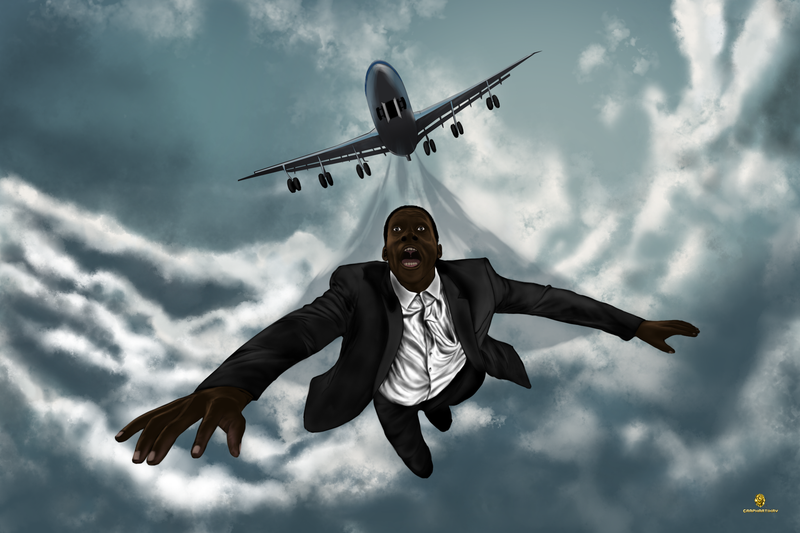
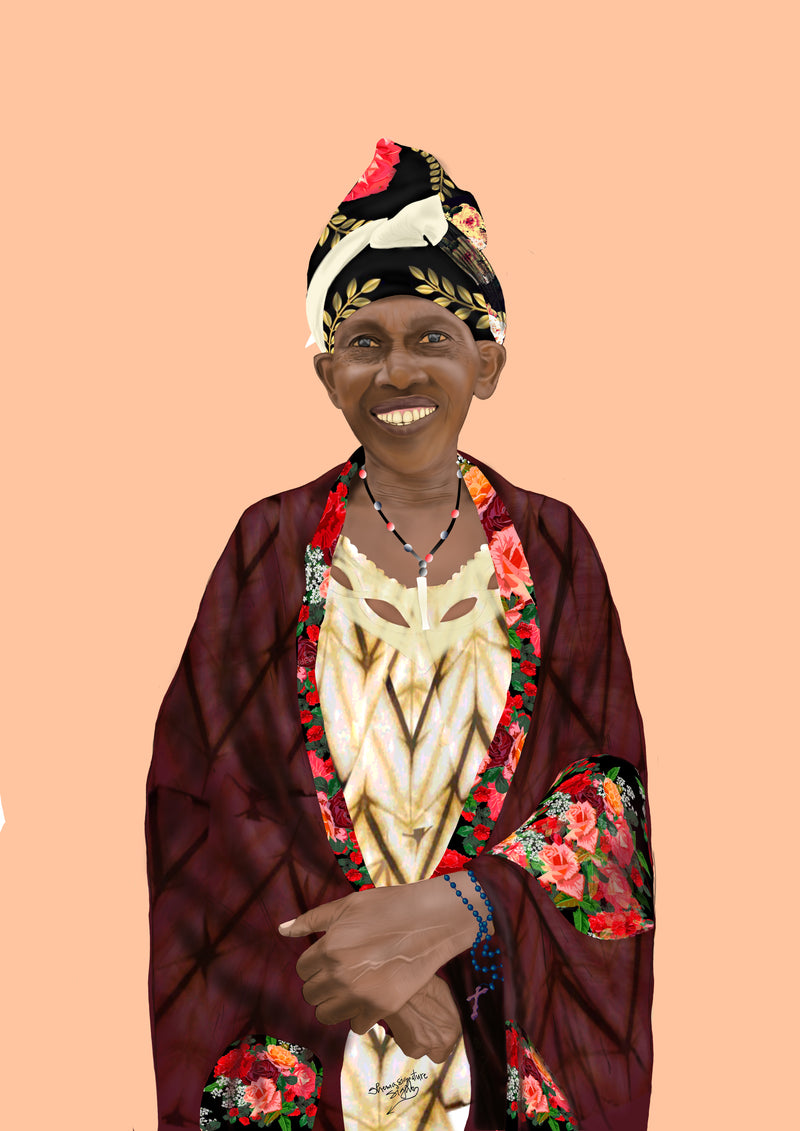
A visual metaphor for the first stage of awakening: the shock that precedes transformation throughout "The War Within: Breaking Out Of Perdition"
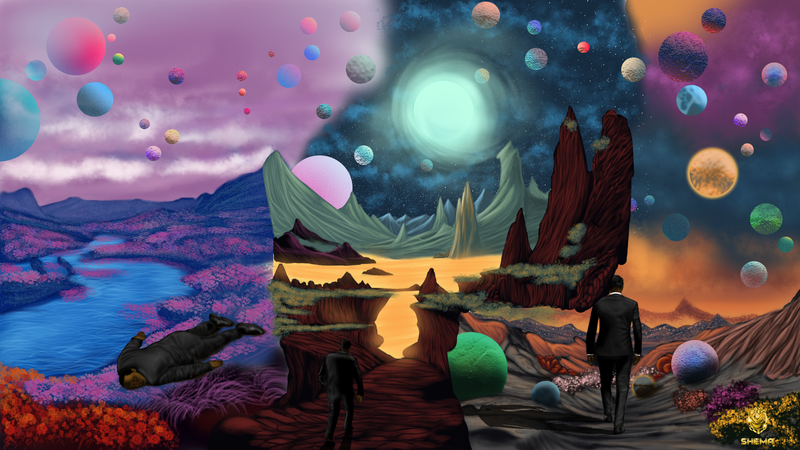
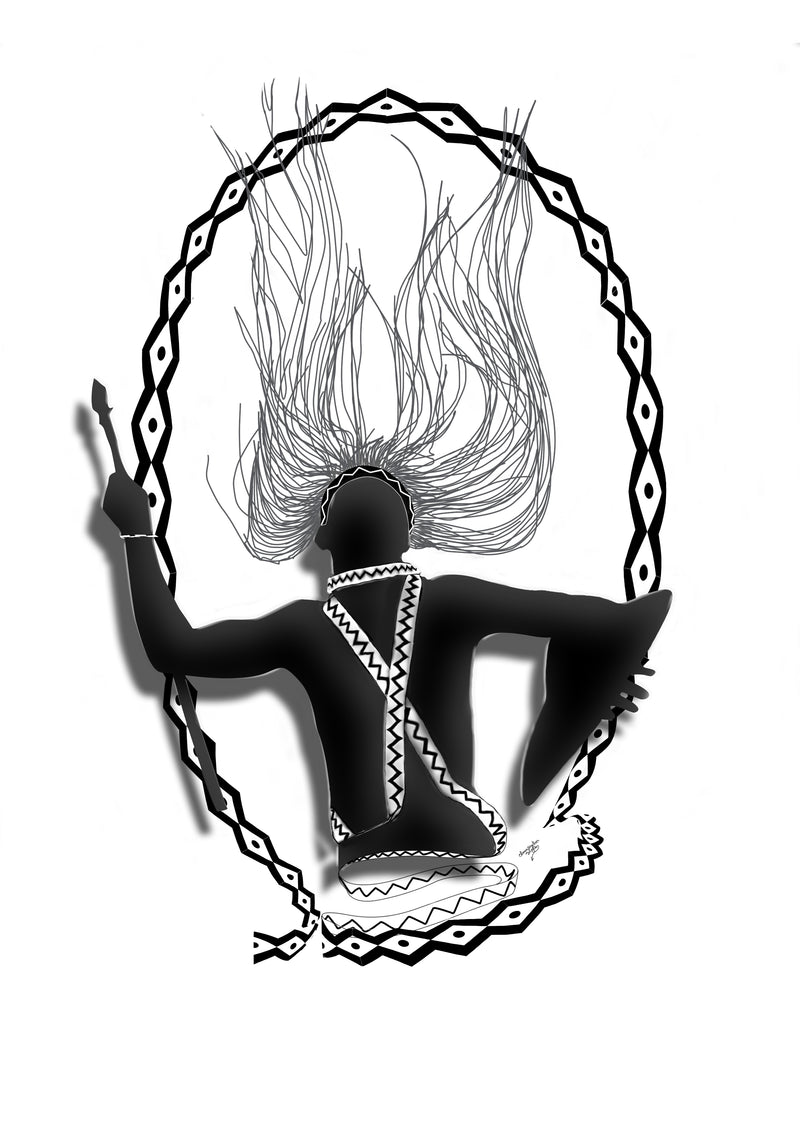
represents the second phase of the transformation: the confrontation with hidden truths and the painful realization of how history is shaped by power. It is a metaphor that invites us to embrace the journey toward truth.

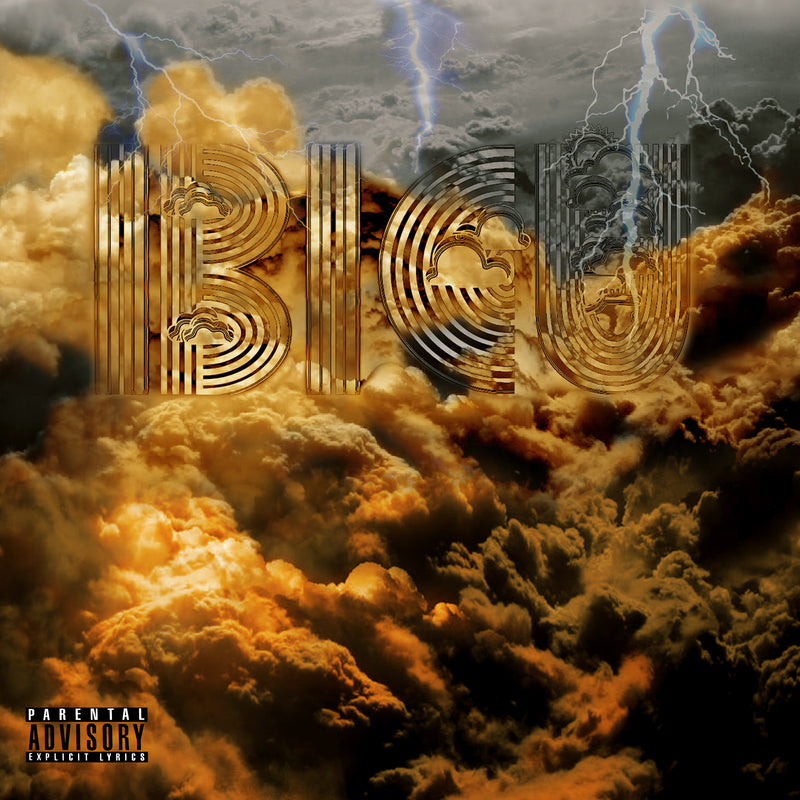
is a confrontation with hidden knowledge. It is a reminder that liberation begins when silence is heard, when what is hidden is revealed, and when the truth. However unsettling it may be, it is finally faced.


Every artwork begins before it is seen. Not as an image, but as a disturbance—something subtle, persistent, unresolved.
It can be a contradiction that doesn't make sense, a question that resists an answer, or a feeling that cannot yet take shape.
At this stage, nothing is clear. The idea exists only as tension—silent, but insistent. It seeks understanding to be followed.
This is not creation yet. It is recognition.

To create, the known must first be undone.
What appears stable is questioned. What feels natural is disrupted. The familiar begins to fracture—not violently, but deliberately.
Forms lose their certainty. Meanings shift. What once felt obvious becomes unstable.
Distortion is not destruction. It is transformation through tension.
By breaking what is expected, the idea separates itself from repetition and begins to exist on its own terms.

From fragmentation, a new order begins to emerge.
Shapes, symbols, textures, and contrasts are no longer chosen for appearance, but for meaning.
Every element becomes intentional. Every decision carries weight.
This is where the invisible begins to organize itself into form—not as decoration, but as language.
The artwork is no longer an idea alone. It is becoming something that can be seen, without losing what cannot be explained.

Once formed, the idea does not stop. It extends beyond the boundaries of the artwork.
It suggests other versions of itself. Other interpretations. Other realities in which it could exist.
Meaning is no longer fixed. It opens, multiplies, and evolves.
What is seen is only one possibility among many that remain unseen.

At last, the idea takes form. It is a moment of clarity.
The artwork exists visible, tangible, complete; yet still carrying the traces of everything it passed through.
What began as tension is now a presence.
Very beautiful piece of art
Très rigide coque au toucher
Bon rapport qualité prix, avec trois couches. Cette coque mérite son prix
It is really worth the price, I've thrown my phone 3 times already with no problem
very tough phone case with 3 layers
I looove this sleeping angel child. Such a different piece of art on my Iphone now
This phone case is solid. Great design as well
J'ai donn� cette coque comme cadeau � mon mari et il l'aime bien. Merci beaucoup
It fits perfectly with the elastic band inside
Le r�vetement est d�r avec la double couche, pas de�ue de ma commande
A ma surprise, j'ai re�u le produit sous 10 jours. Tr�s bon design. Je recommande
Tr�s bon t-shirt, le tissu est �pais. Je l'ai lav� une fois et il n'a pas chang�.
I recommend this product. Nice quality fabric, the design don't fade
Le t-shirt en blanc est trop styl�. Il met en valeur le design davantage
The lion head design is good on this cap. I highly recommand